
National Museum of Marine Biology and Aquarium: Hear the Ocean's Breath, Explore the World's Marine Life
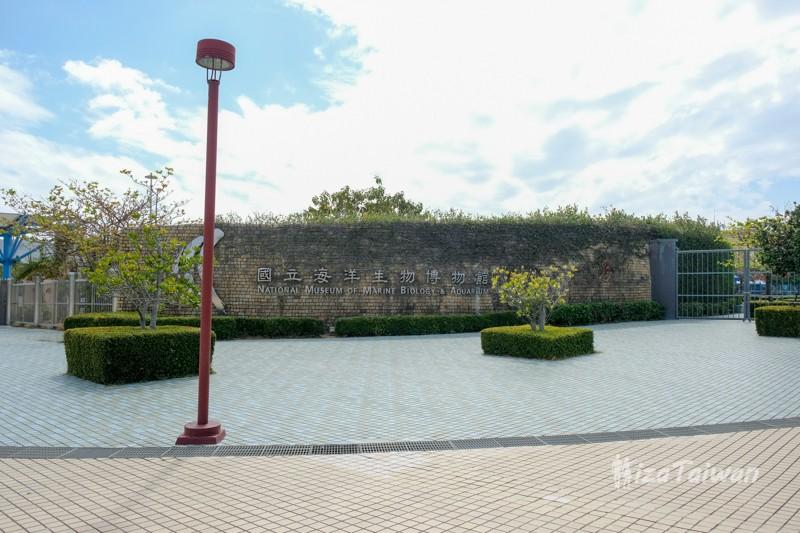
Checheng Township, Pingtung County
Sightseeing
At the southernmost tip of Pingtung lies a fantastical world born for the ocean: the National Museum of Marine Biology and Aquarium (NMMBA). Abbreviated as NMMBA, it is one of Taiwan's largest and most globally renowned marine biology museums. Situated along the coast at the foot of Guishan in the scenic northwest corner of Kenting National Park, it attracts countless visitors drawn to its rich and diverse marine life exhibits, engaging educational experiences, and spectacular architectural design, all aimed at exploring the mysteries of the ocean.
The Ministry of Education established a planning group in 1988, and the preparatory office was officially founded in 1991, initiating the long-term construction project. After years of planning and development, the Taiwan Waters exhibit opened and was officially made accessible to the public in 2000. This was followed by the opening of the Coral Kingdom Pavilion in 2001 and the Waters of the World Pavilion in 2006. The museum's mission is to promote marine education, research marine ecology, and provide the public with a place to connect with and learn about the ocean. Over the years, NMMBA has continuously expanded its exhibits and improved its service quality, becoming a vital tourist landmark in Taiwan.
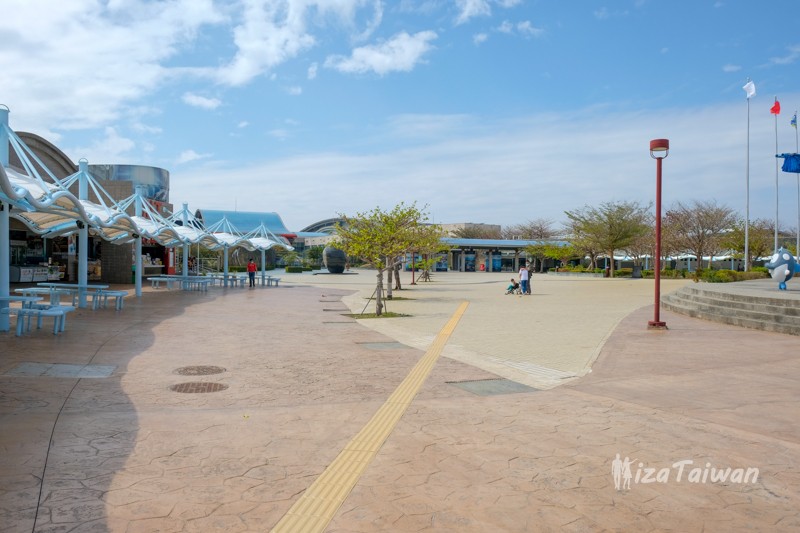
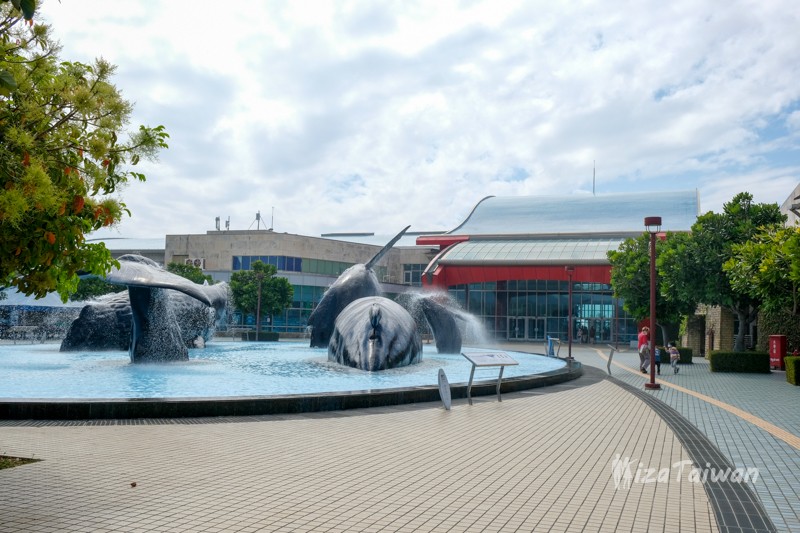
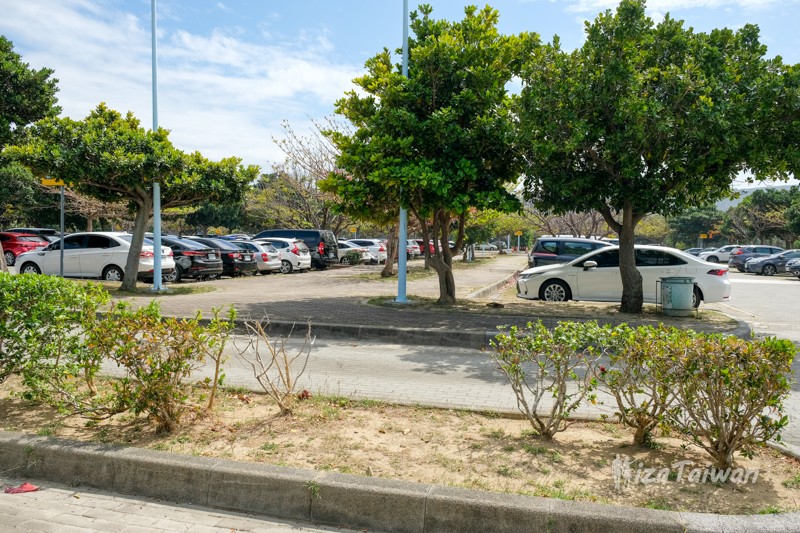
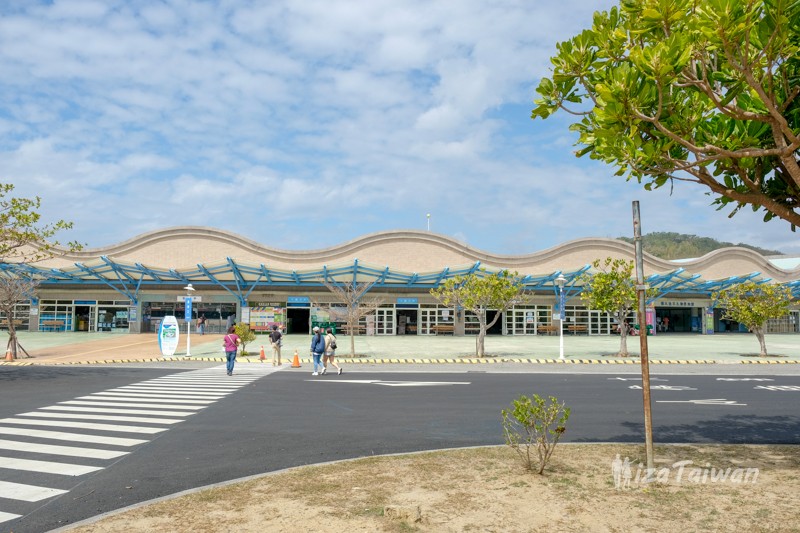
The total planned area of NMMBA is approximately 96.8 hectares, with the museum's exhibition halls and research facilities covering about 35.8 hectares, and the remainder dedicated to service areas such as parking lots, the visitor service center, and green spaces. Among this expansive area, the museum's architectural exterior is particularly noteworthy. The design takes the “imagery of water” and “marine organism shapes” (such as whales and streamlined roofs) as its core inspiration, incorporating elements that evoke the sea. Durable materials (like specialized steel plate eaves) are used to withstand strong winds and salt damage. By combining large-scale display tanks with ample natural lighting, the design creates the astonishing experience of “walking into the sea.” The overall emphasis is on natural harmony, with sloping roofs simulating the dynamics of ocean waves. The main lobby boasts a height of 21 meters, surrounded by a glass curtain wall offering panoramic views of the changing scenery throughout the day. Large models of marine life, such as whale sharks and dolphins, are suspended from the ceiling, enhancing the artistic atmosphere.
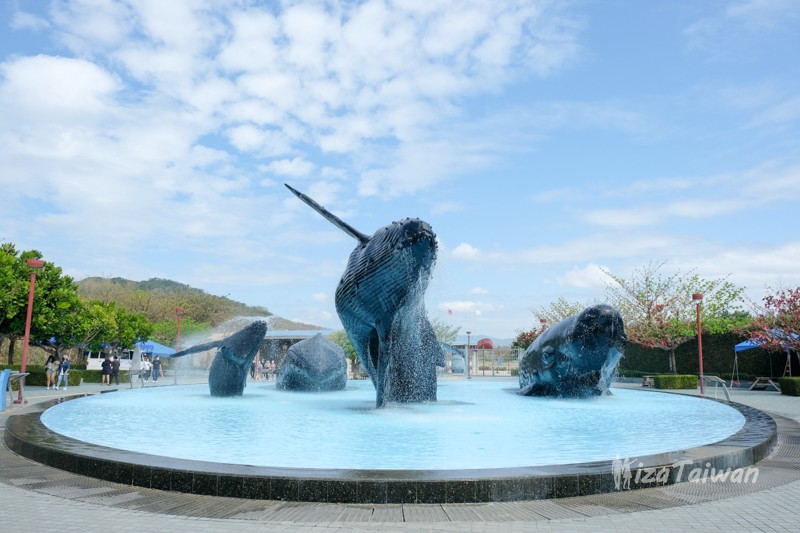
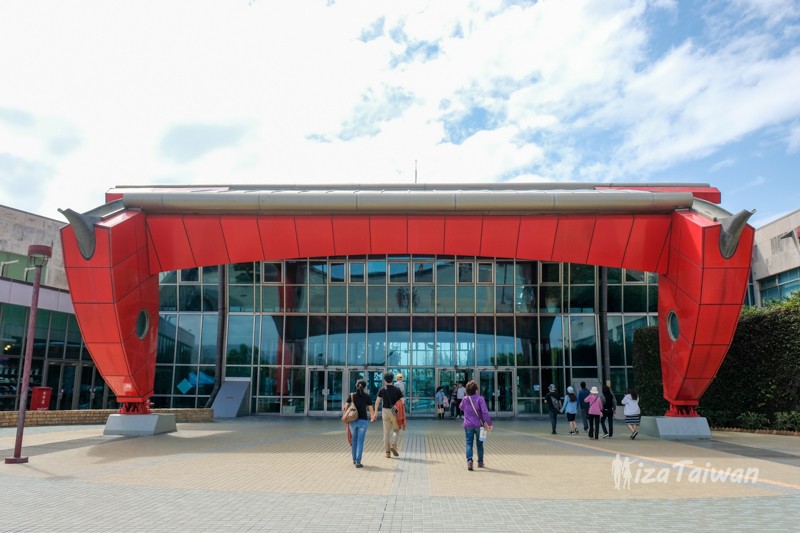
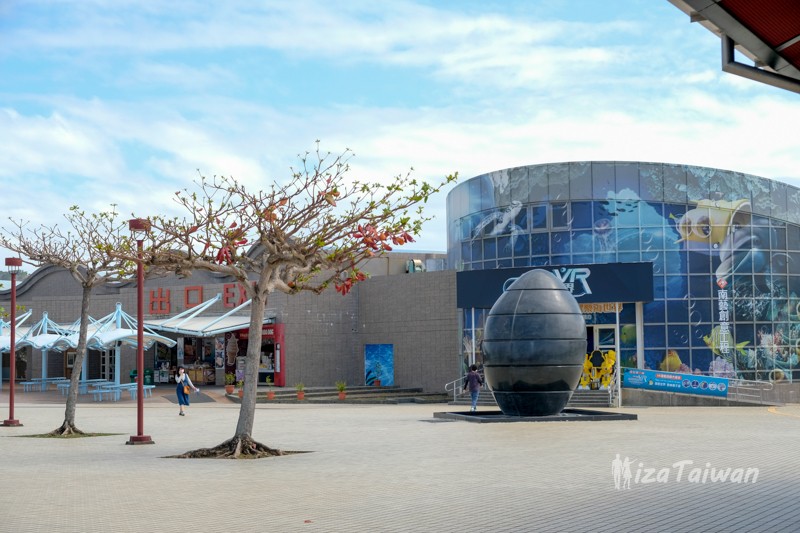
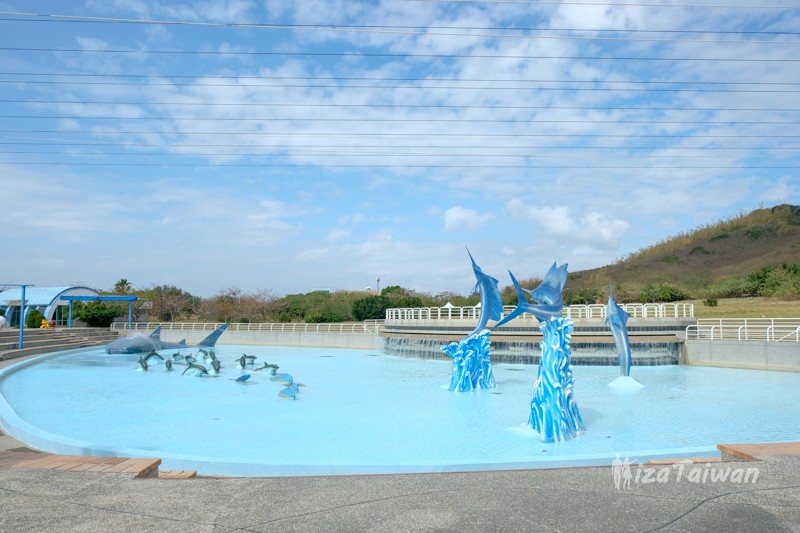
The entrance plaza features the Pacific Waterside Plaza and the Whale Waterside Plaza, where life-sized models of whales and dolphins recreate the vitality of the ocean, allowing visitors to splash and relax. The plaza also houses a massive glass egg-shaped sculpture, "Love and New Life," symbolizing the renewed power of Taiwan's marine environment. The most iconic structure is the Whale Exploration Hall (an acclaimed solar photovoltaic building), designed in the shape of a lifelike whale. From a distance, it looks like a gigantic whale breaching the sea surface. Covered with BIPV solar panels, it generates 100 kW of electricity, making it the largest whale-shaped green building in the nation. It is divided into upper and lower levels for water activities and ecological exploration.
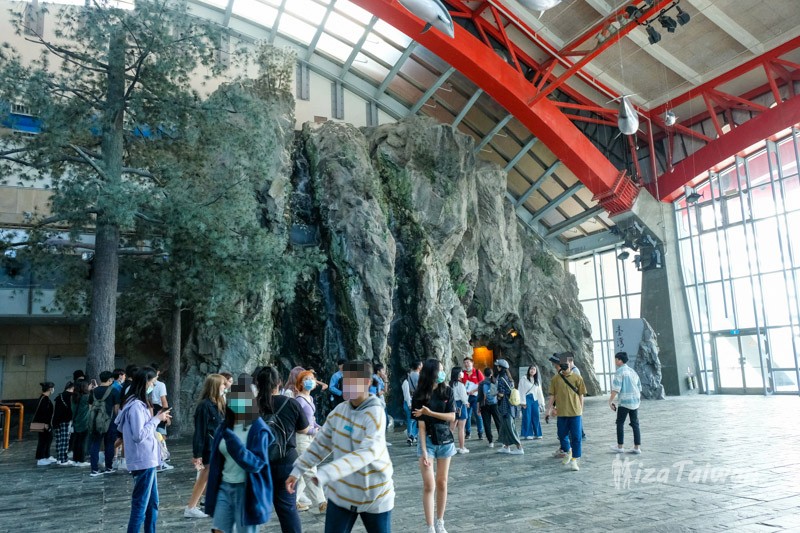
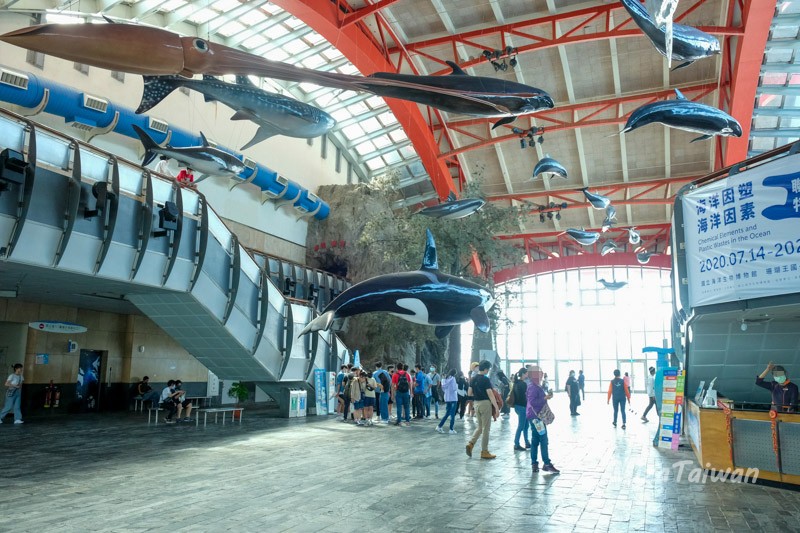
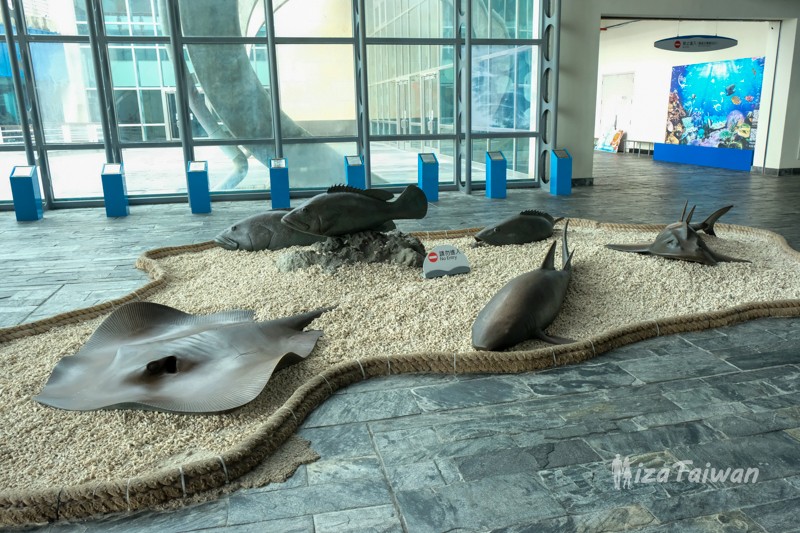
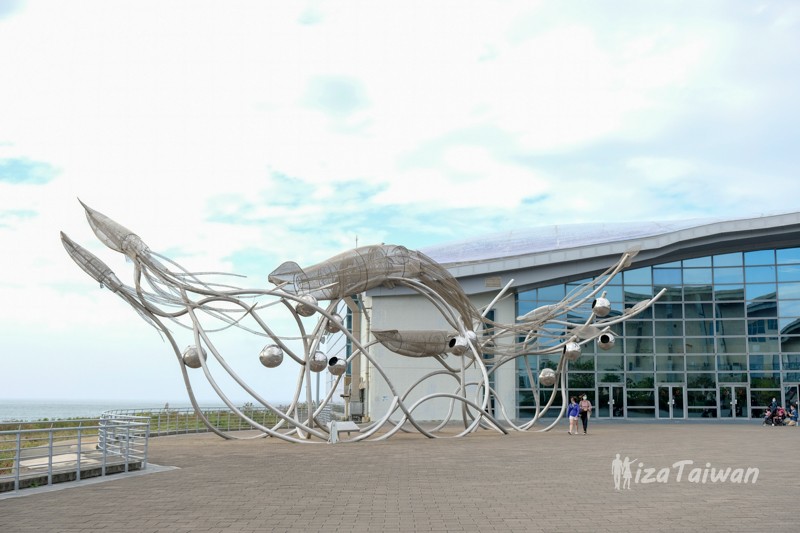
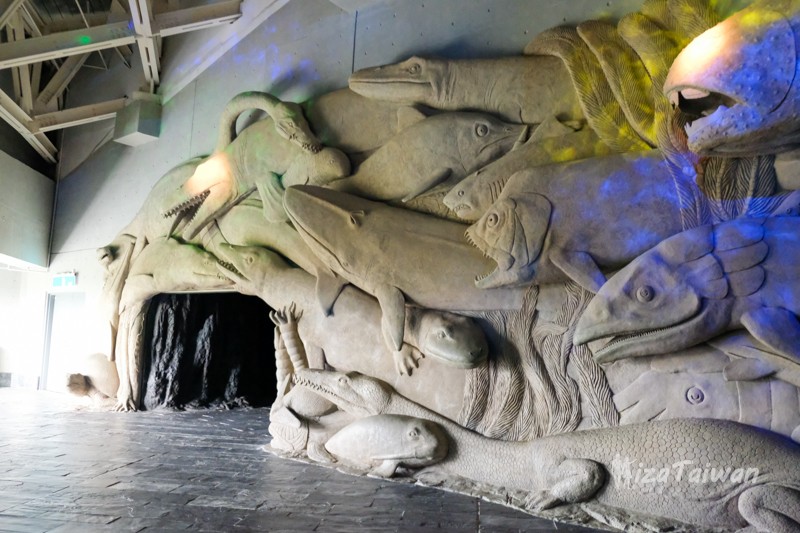
The museum is mainly divided into four major exhibition halls: the Waters of Taiwan, the Coral Kingdom Pavilion, the Waters of the World, and the Whale Exploration Hall.
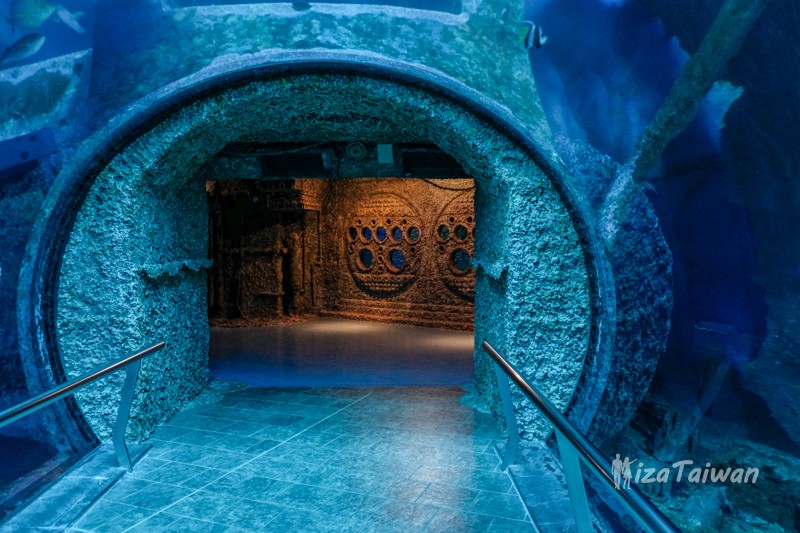
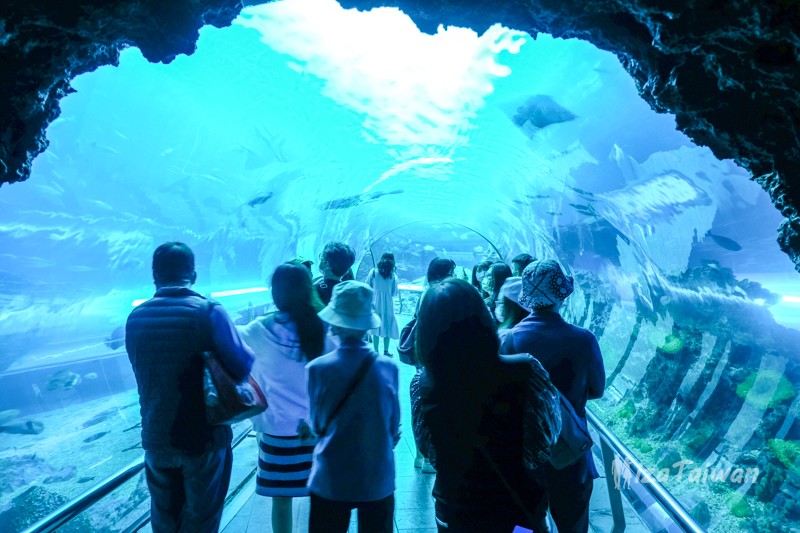
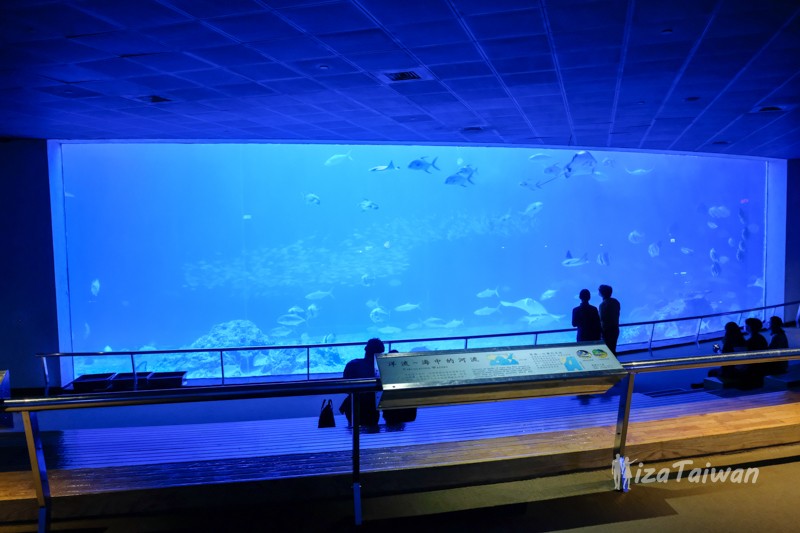
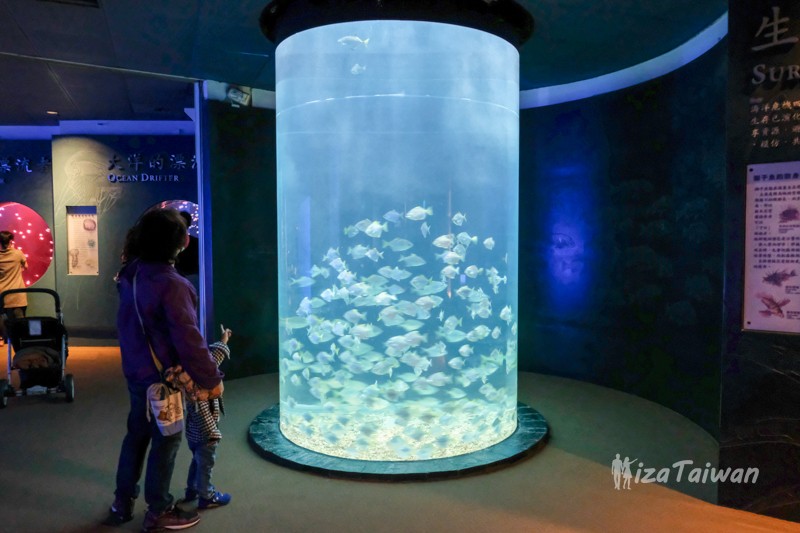
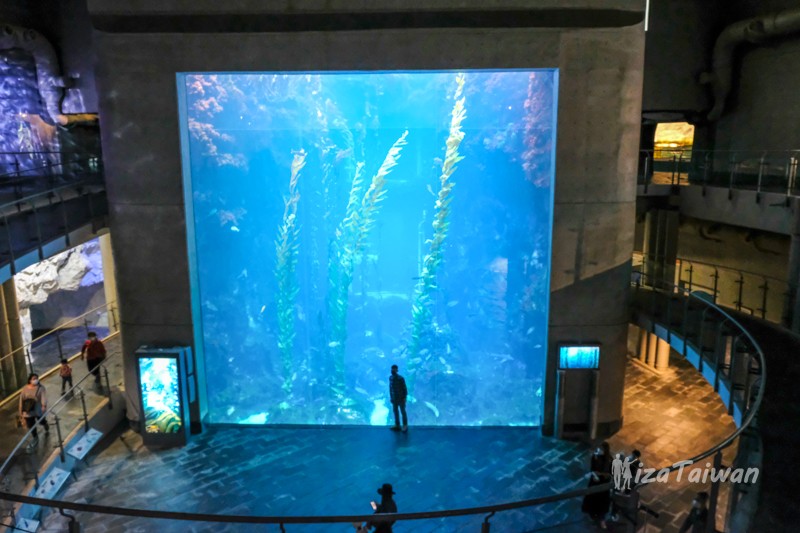
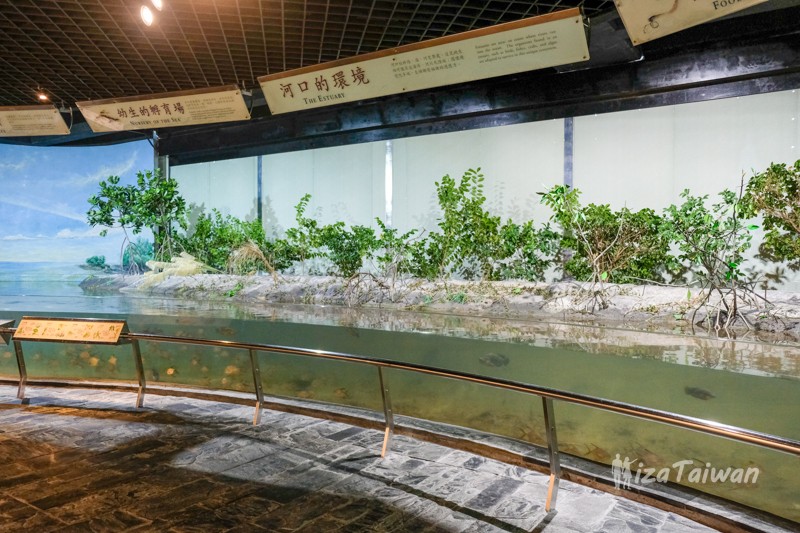
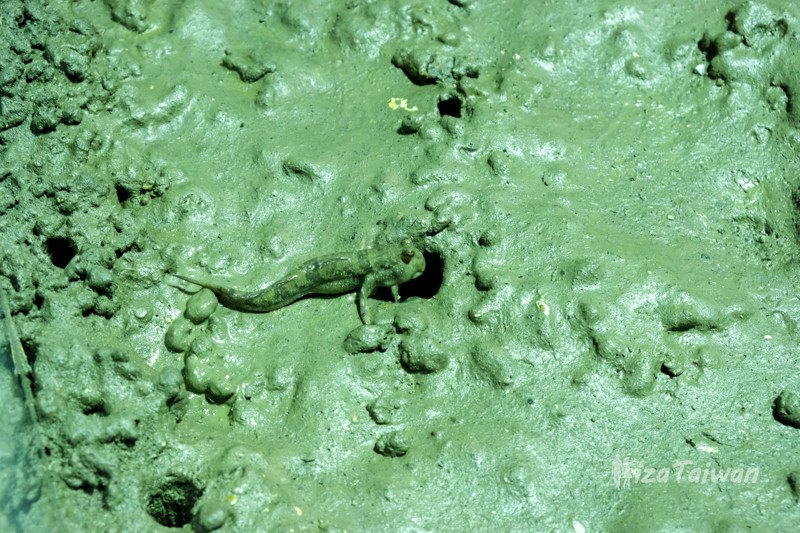
The Waters of Taiwan Pavilion: This hall showcases the diverse aquatic ecosystems surrounding Taiwan, ranging from high mountain streams and estuaries to coastal and deep-sea waters. It features the million-gallon Open Ocean Tank and regularly scheduled feeding demonstrations.
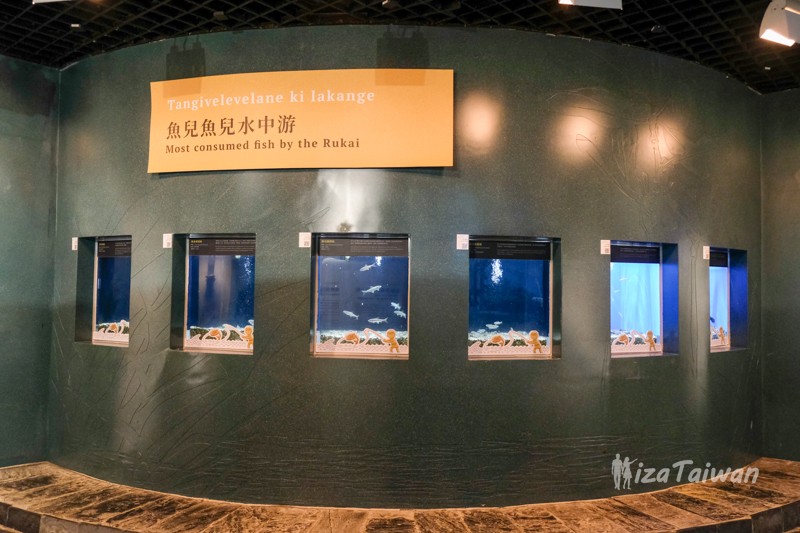
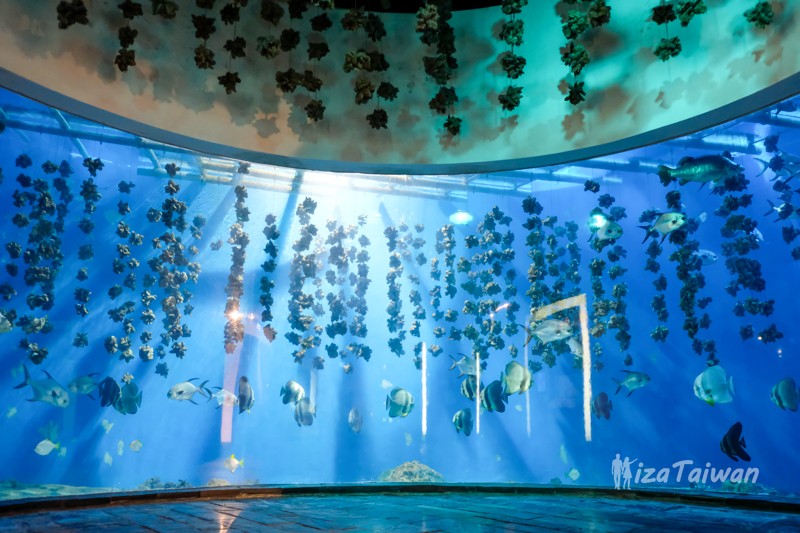
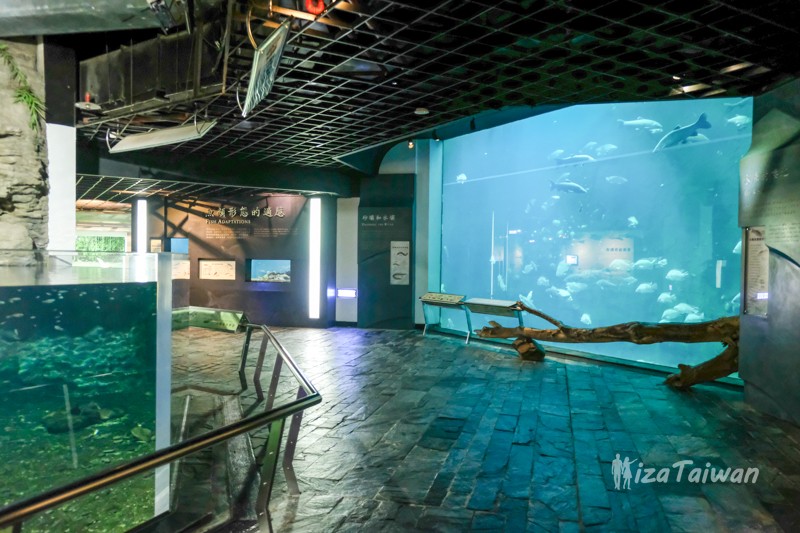
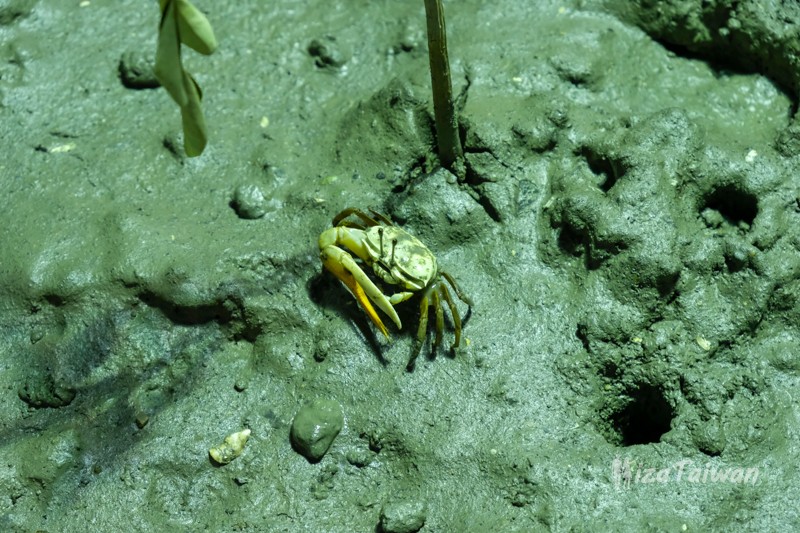
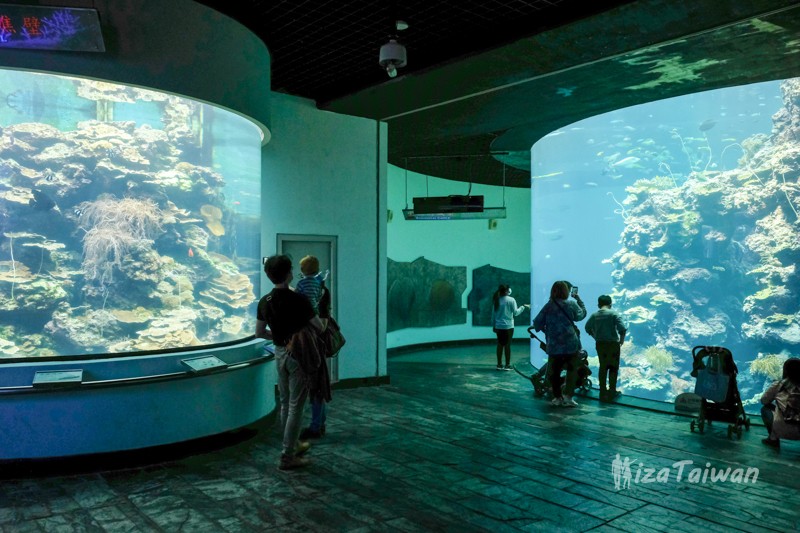
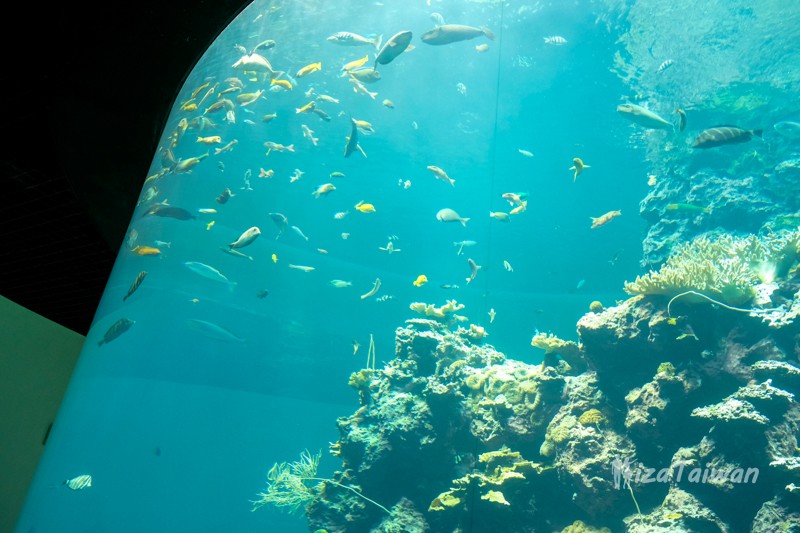
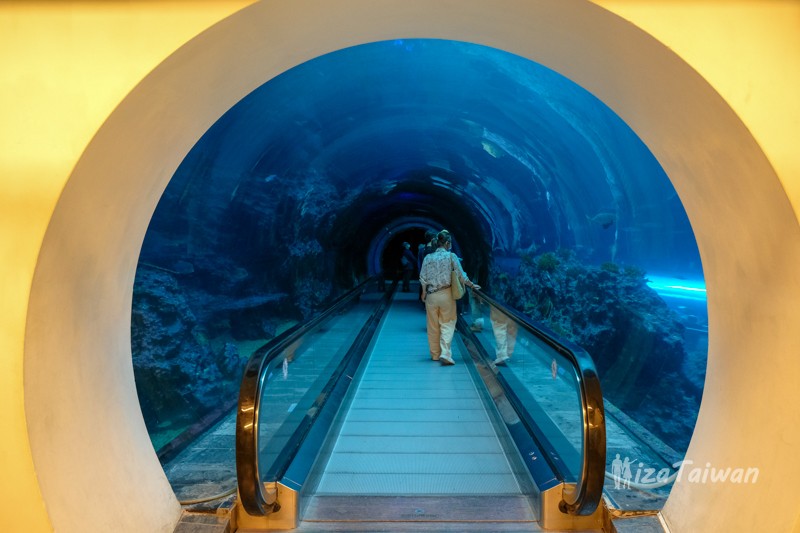
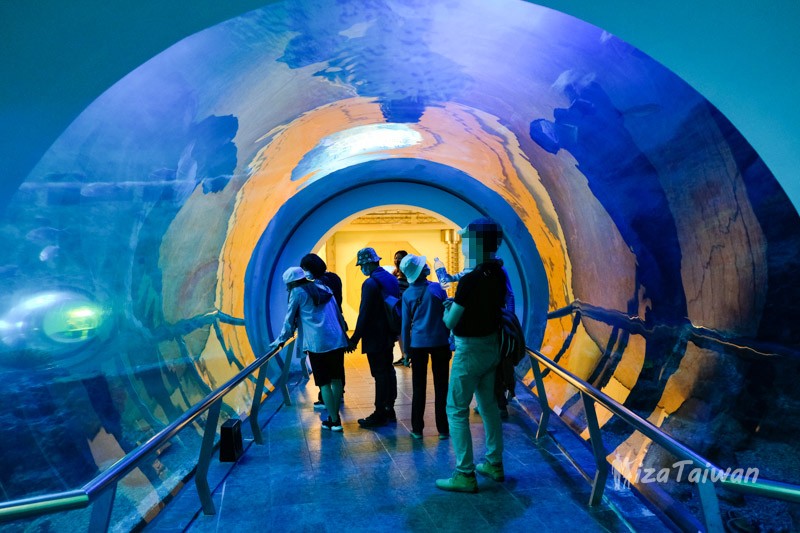
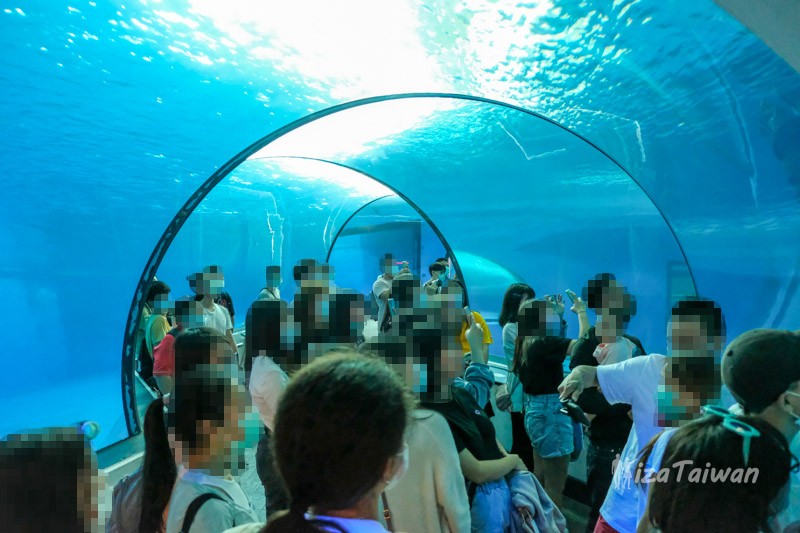
The Coral Kingdom Pavilion: This simulates the marine environment of Southern Taiwan and Kenting, focusing on tropical coral reef ecology. Its highlight is the approximately 84-meter-long underwater tunnel, making it one of the most popular photo spots.
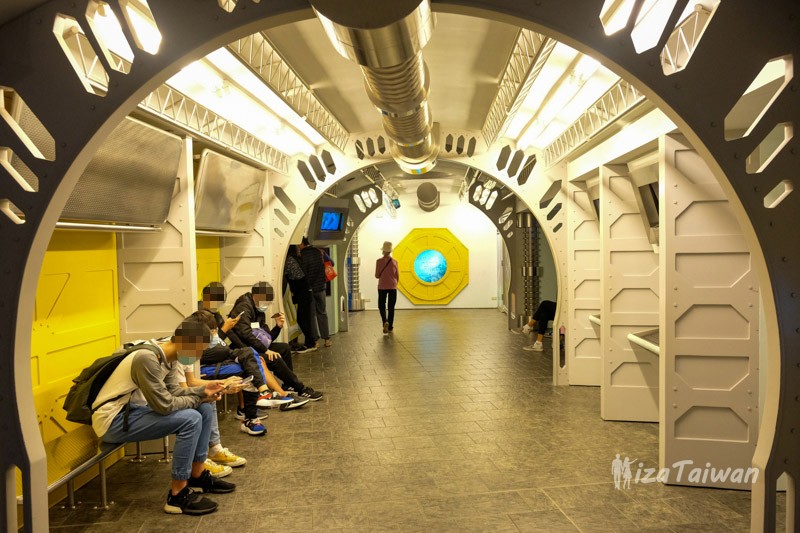
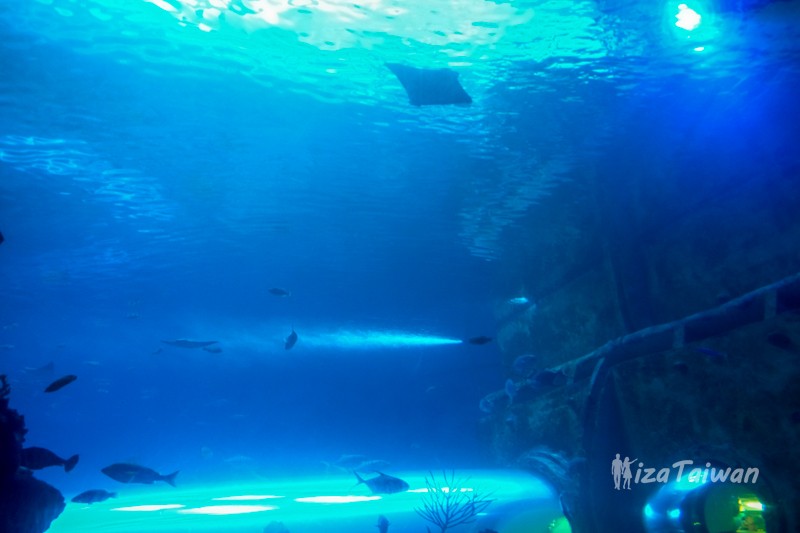
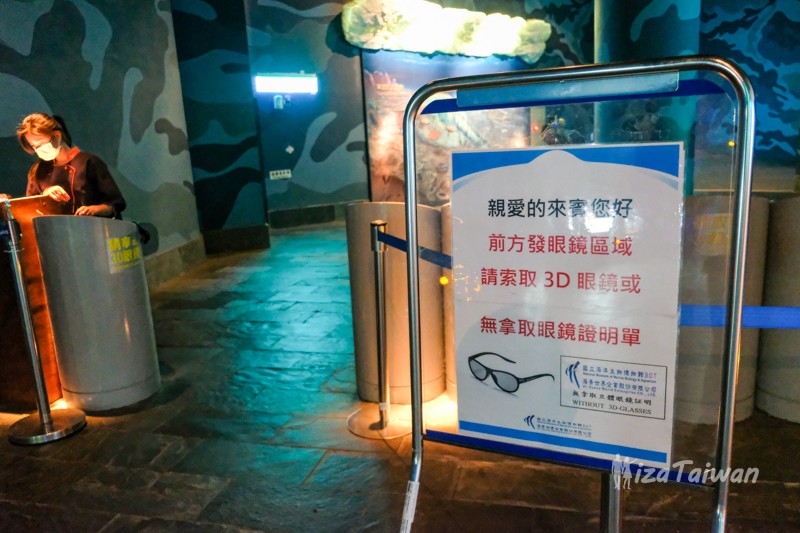
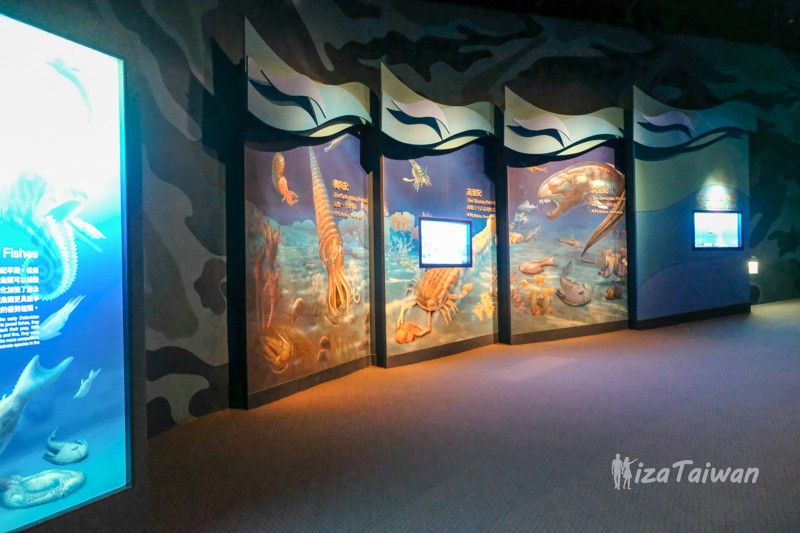
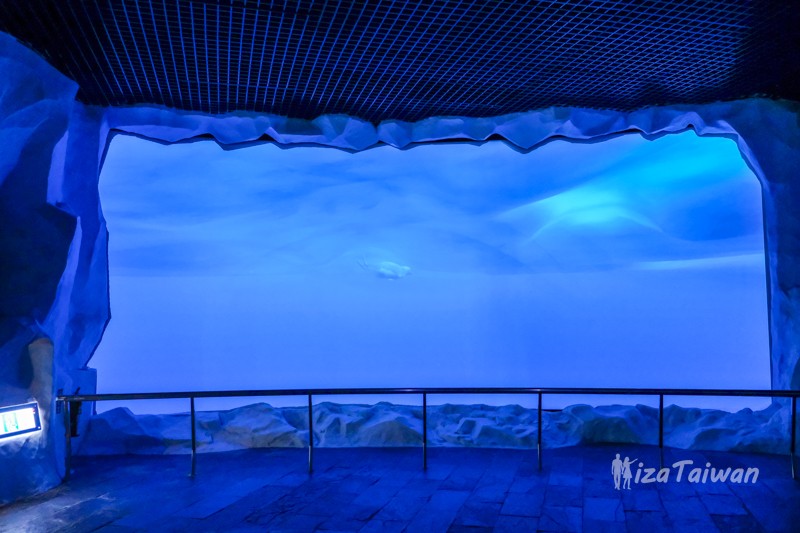
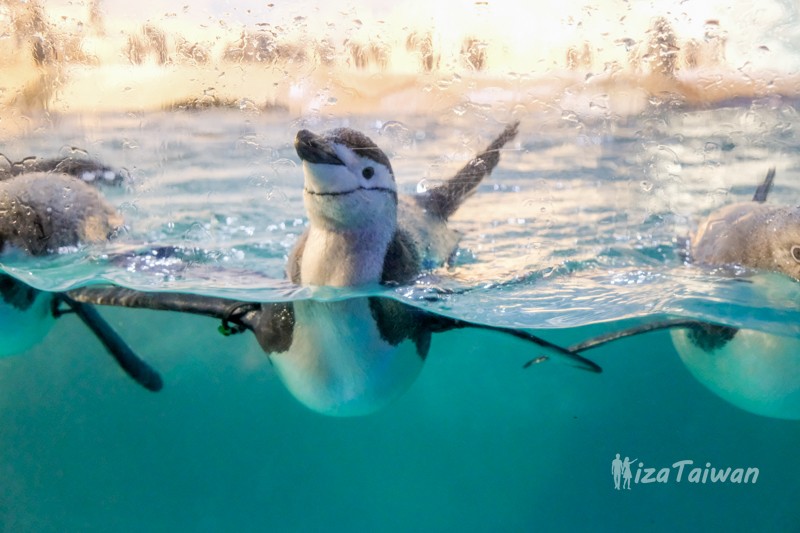
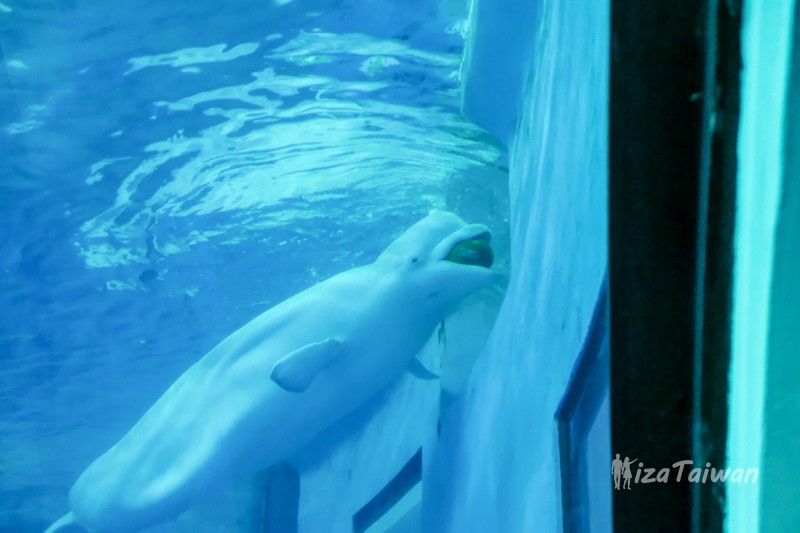
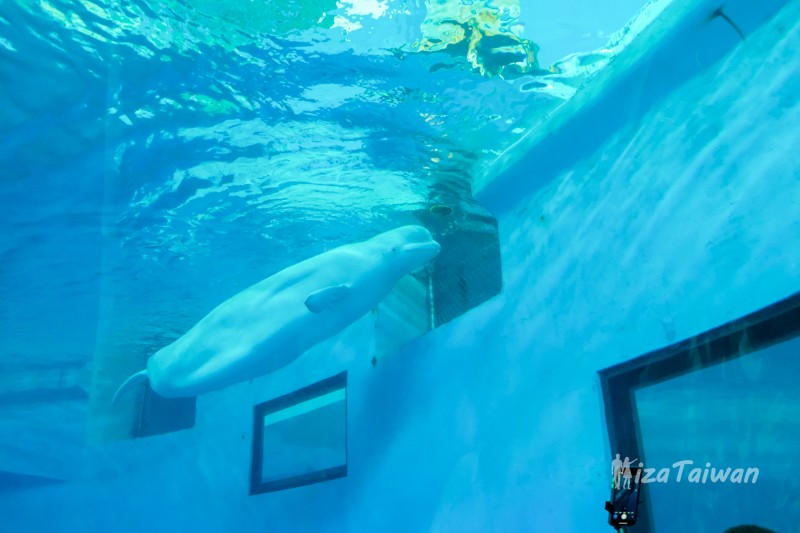
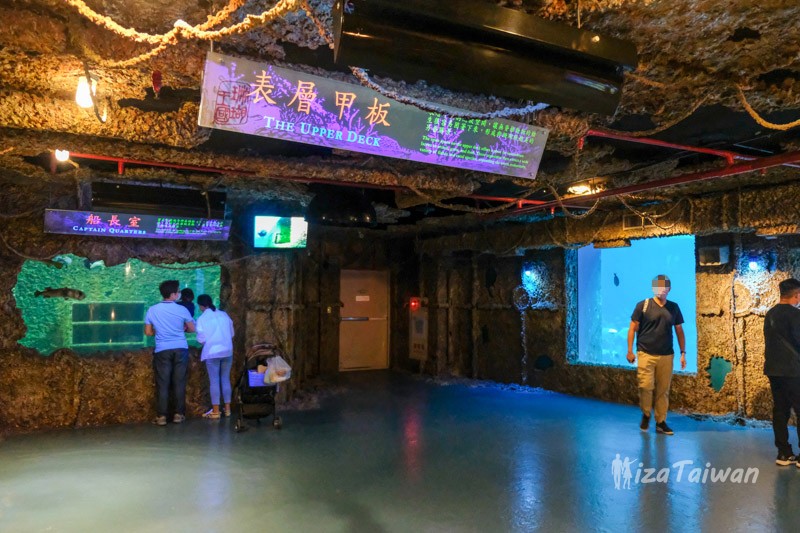
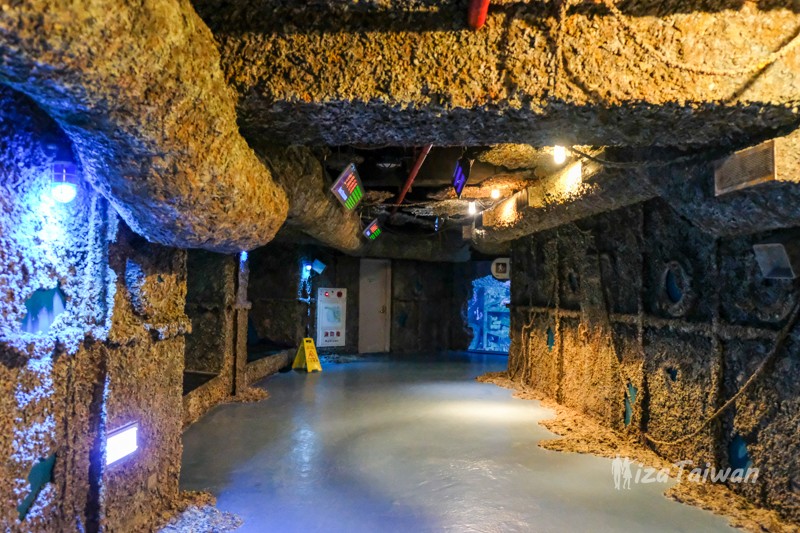
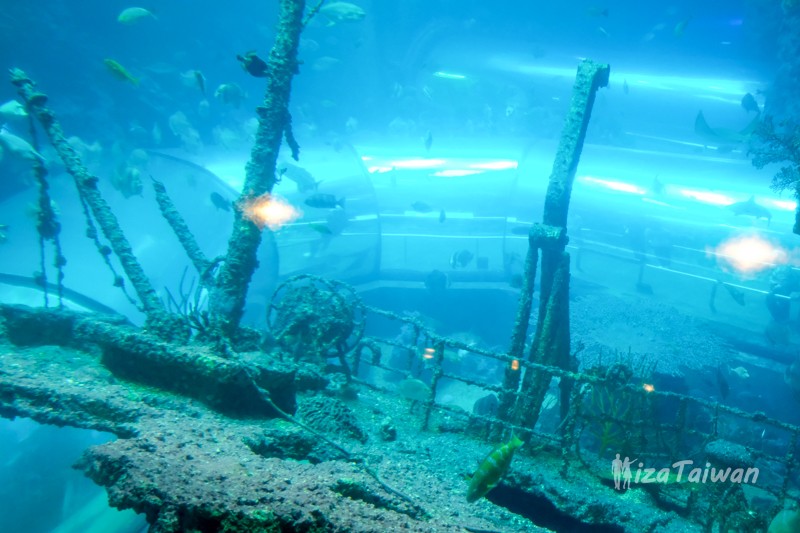
The Waters of the World Pavilion: Utilizing technologies such as virtual reality and 3D projection, this pavilion displays diverse marine life from around the globe, including polar and deep-sea environments. The resident penguins and Belugas (White Whales) are considered the treasures of the museum, attracting countless visitors.
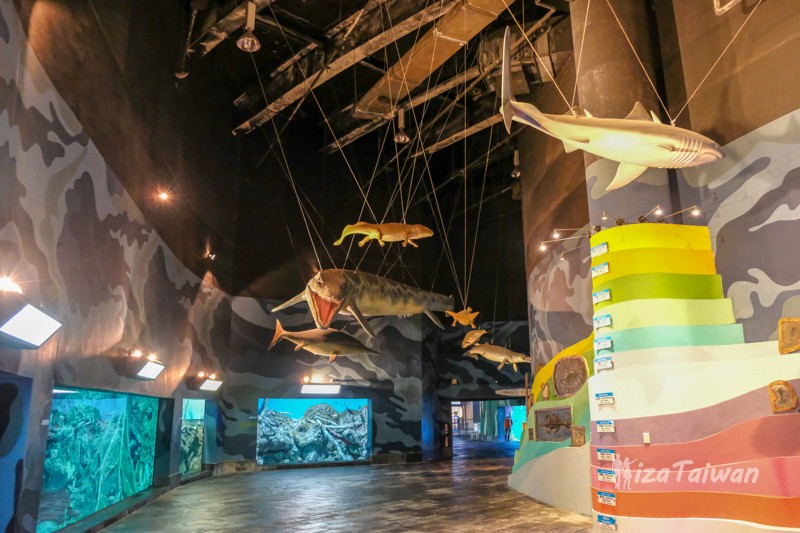
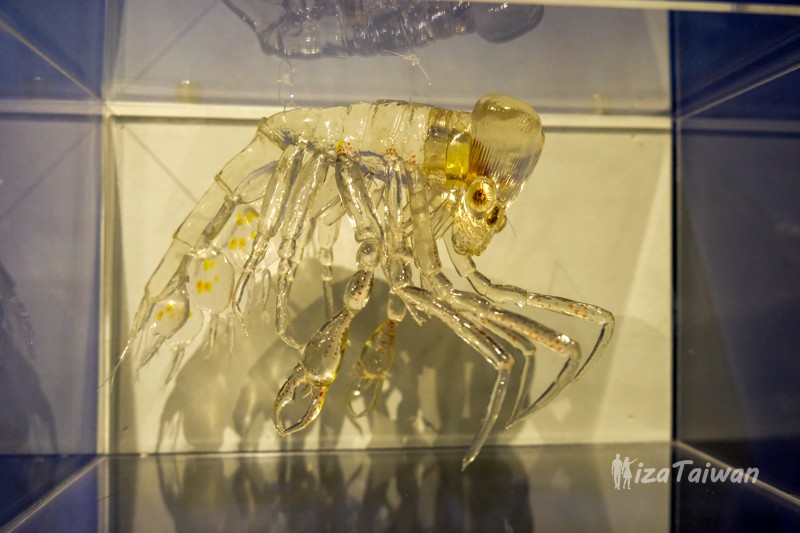
The Whale Exploration Hall: This hall features Taiwan's first complete Blue Whale skeleton specimen and provides the world's first display of detailed structures of a Blue Whale skull. It offers an in-depth introduction to the stories and anatomy of these gigantic marine mammals.
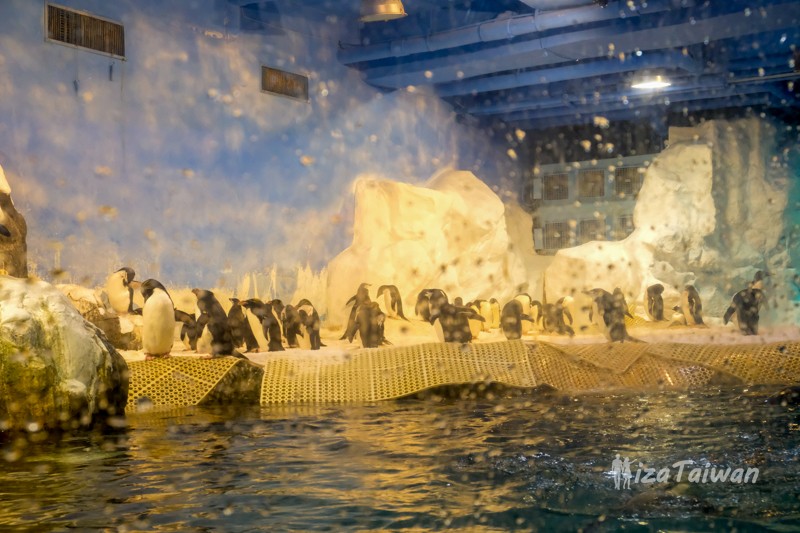
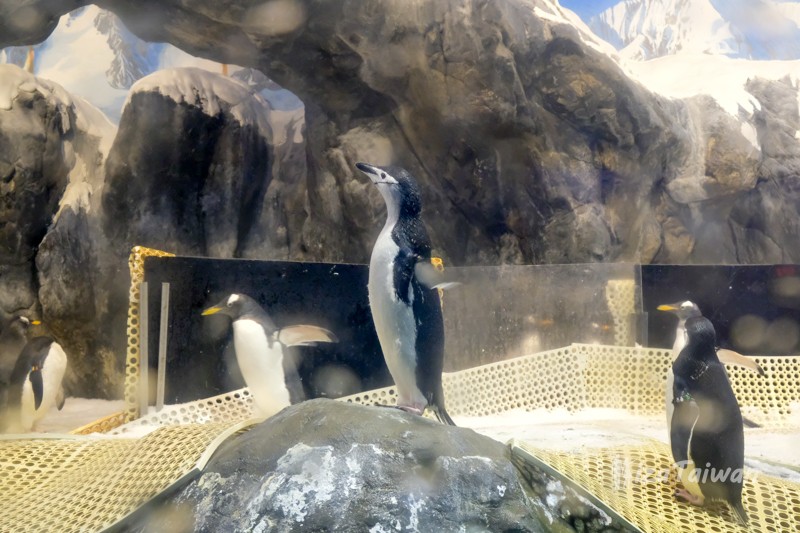
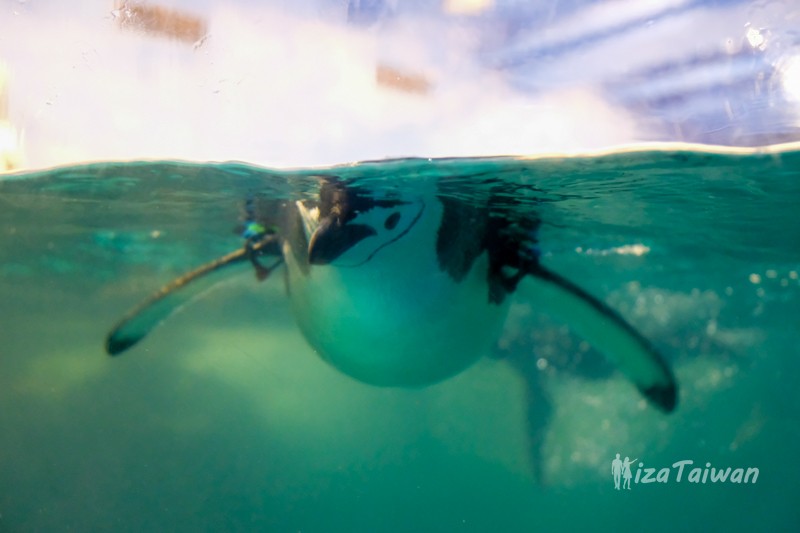
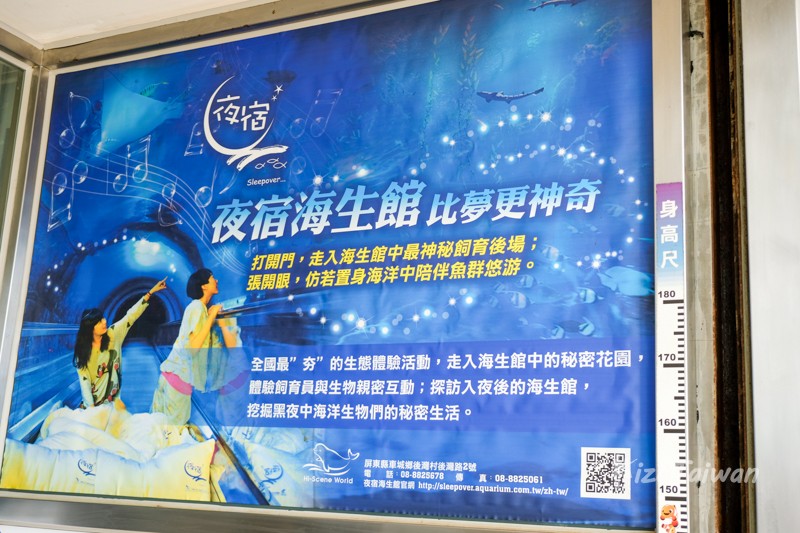
The NMMBA regularly hosts various activities and performances, including feeding shows, ecological lectures, and the popular overnight stay program, "Sleeping with the Sea Creatures." The overnight stay is one of the most sought-after activities, offering a unique opportunity to sleep right beside the marine inhabitants.
【Ocean Tank Feeding Talk】
Time: 3 sessions daily (10:00, 13:00, 16:30)
Duration: 15 minutes
Location: Waters of Taiwan exhibit
【Dancing with the Fish (Diver Show)】
Time: 2 sessions daily (11:00, 14:30)
Duration: 15 minutes
Location: Coral Kingdom Pavilion
【Seal Feeding Talk】
Time: 2 sessions daily (10:00, 14:30)
Duration: 15 minutes
Location: Waters of the World exhibit
【Puffin Feeding Talk】
Time: 1 session daily (10:00)
Duration: 15 minutes
Location: Waters of the World exhibit
【Penguin Feeding Talk】
Time: 2 sessions daily (11:00, 13:00)
Duration: 15 minutes
Location: Waters of the World exhibit
【Kelp Forest Feeding Talk】
Time: 1 session daily (14:00)
Duration: 15 minutes
Location: Waters of the World exhibit
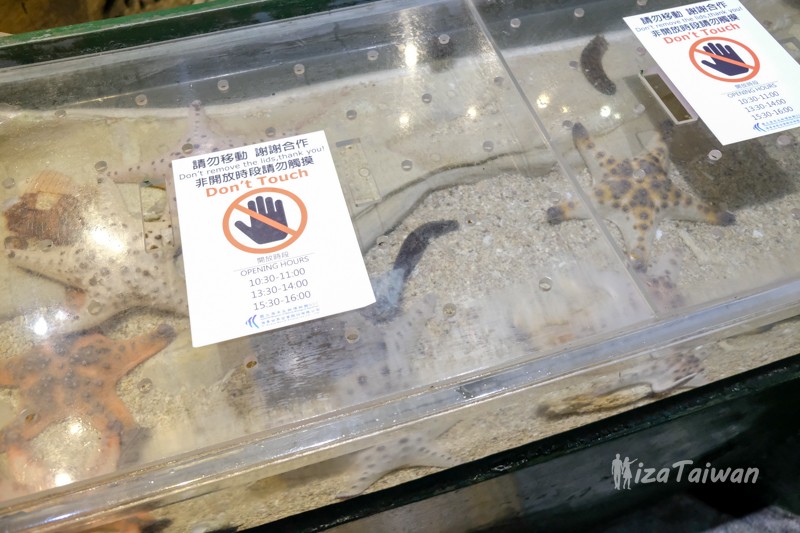
【Touch Pool Opening Hours】
Time: 3 sessions daily (10:30, 13:30, 15:30)
Duration: 30 minutes
Location: Waters of Taiwan exhibit
Performance events may be subject to change or adjustment due to various factors. It is highly recommended to check the official website for confirmation beforehand.
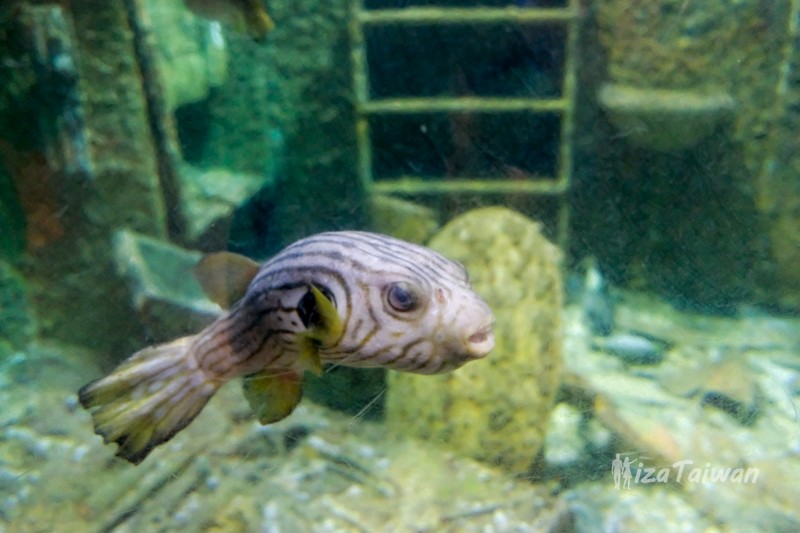
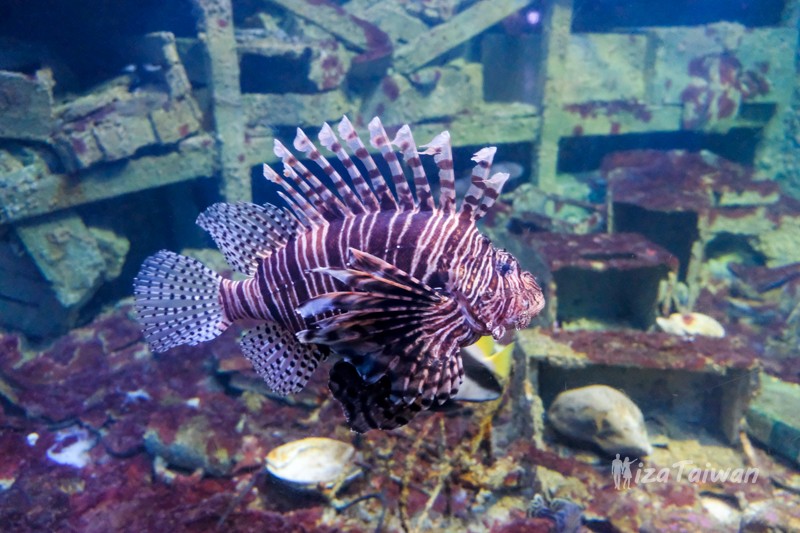
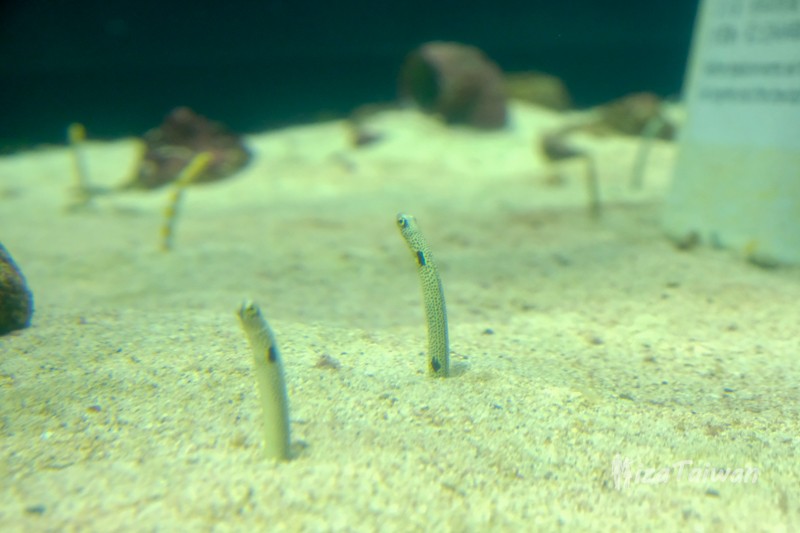
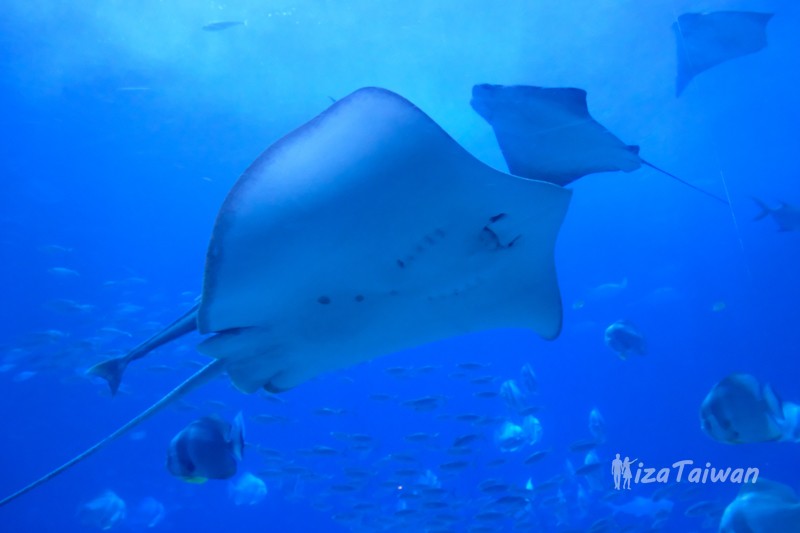
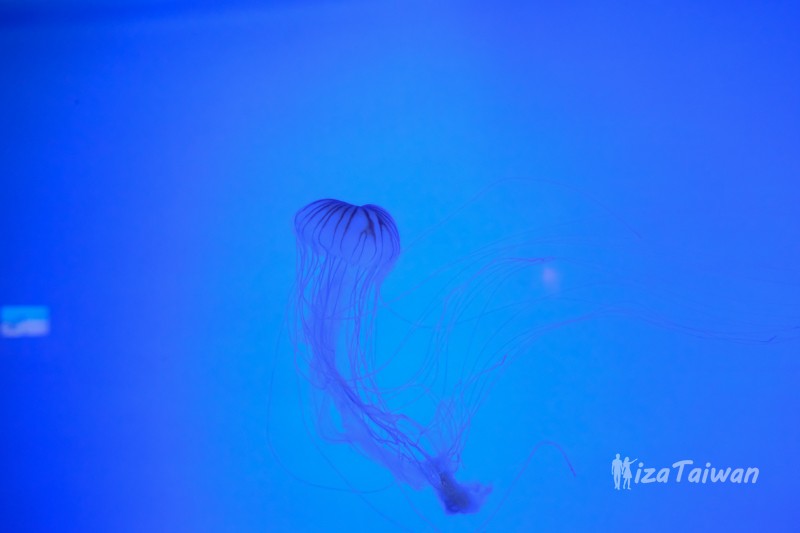
The National Museum of Marine Biology and Aquarium (NMMBA) is a must-visit destination when traveling in Southern Taiwan. We recommend setting aside a full day to explore it thoroughly. During the day, you can stroll through the beautiful coral tunnel and stand before the giant marine life tanks, appreciating the diverse array of sea creatures. In the evening, step outside to enjoy the gentle sea breeze and admire the unique architecture reflected in the sunset a truly romantic sight. If time permits, you can even participate in the overnight stay experience, lying quietly within the aquarium and feeling the magical sensation that the ocean is accompanying you to sleep.
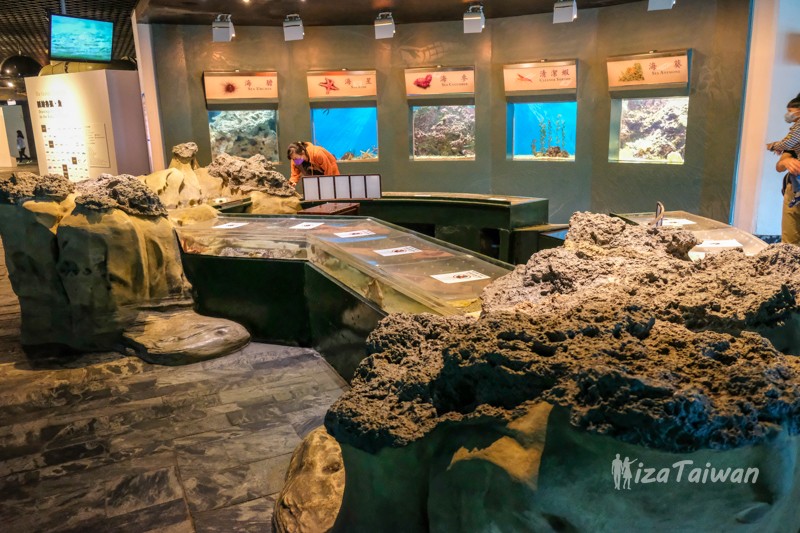
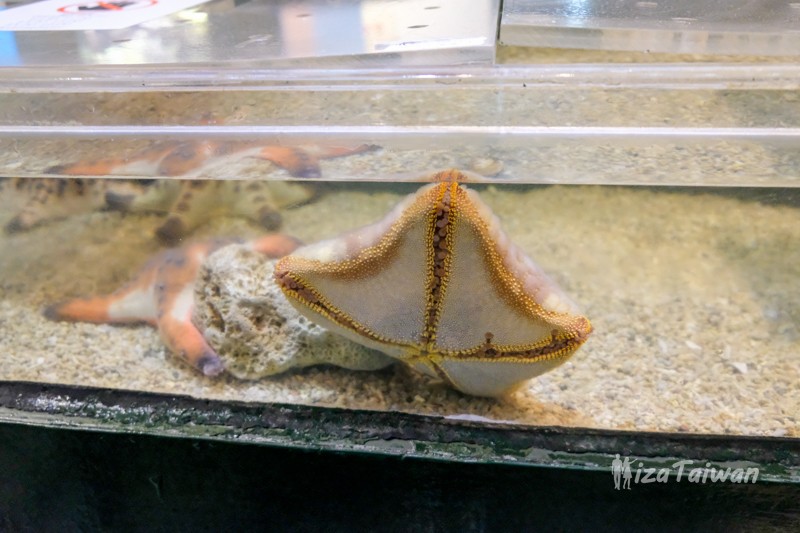
This location is perfect not only for families with children but also for couples dating, school graduation trips, and specialized research. NMMBA combines rich marine knowledge, green energy architectural features, and stunning photo opportunities, making it the best place to learn about Taiwan's marine culture and environmental education. Whether you want to take captivating photos or simply enjoy a leisurely marine journey, the aquarium is an unmissable highlight of your Southern Taiwan itinerary. This ocean voyage is sure to bring you many surprises and moments of wonder!
"National Museum of Marine Biology and Aquarium (NMMBA)"
Address: No. 2, Houwan Rd., Checheng Township, Pingtung County, Taiwan
Operating Hours: Open all year round. Daily 09:00 AM ~ 05:30 PM. (Ticket sales and entry cutoff is one hour before closing time)
January ~ June: 9:00 AM ~ 5:30 PM
July ~ August (Weekdays): 9:00 AM ~ 6:00 PM
July ~ August (Holidays: including Saturdays, Sundays, and national holidays): 8:00 AM ~ 6:00 PM
September ~ December: 9:00 AM ~ 5:30 PM
If the museum closes due to weather or other unforeseen factors, an announcement will be made separately. It is recommended to check the official website prior to your visit.
Admission Fees (TWD): General admission: 450 NTD, Concessions/Discounted ticket: 250 NTD, Seniors (65+): 225 NTD. (Please check the official website for other specific ticket prices.)
Transportation:
HSR Zuoying Station: Take the Kenting Express or other long-distance buses to the NMMBA Transfer Station > Transfer to Pingtung Bus Kenting Shuttle (Orange Line) or take a taxi to the destination.
TRA Fangliao Station: Go to the transfer station and take a long-distance bus to "Nanbaoli" stop > Transfer to Pingtung Bus Kenting Shuttle (Orange Line) or take a taxi to the destination.
Published in 2025